Crime and Punishment / 1000-1066
Crime and Punishment: Anglo-Saxon Overview
Anglo-Saxon justice depended on small communities, local knowledge, and shared responsibility.
What To Remember
- In around AD 1000, England had fewer than 2 million people and about 90% lived in the countryside.
- There was no police force, so villages enforced law through collective responsibility.
- The king, nobles, Church, and local communities all shaped crime and punishment.
Rural society
Most people lived in small farming villages and rarely travelled far.
Villagers knew each other well, which made reputation important in justice.
Communities were vulnerable to war, bad weather, poor harvests, and disease.
Power and belief
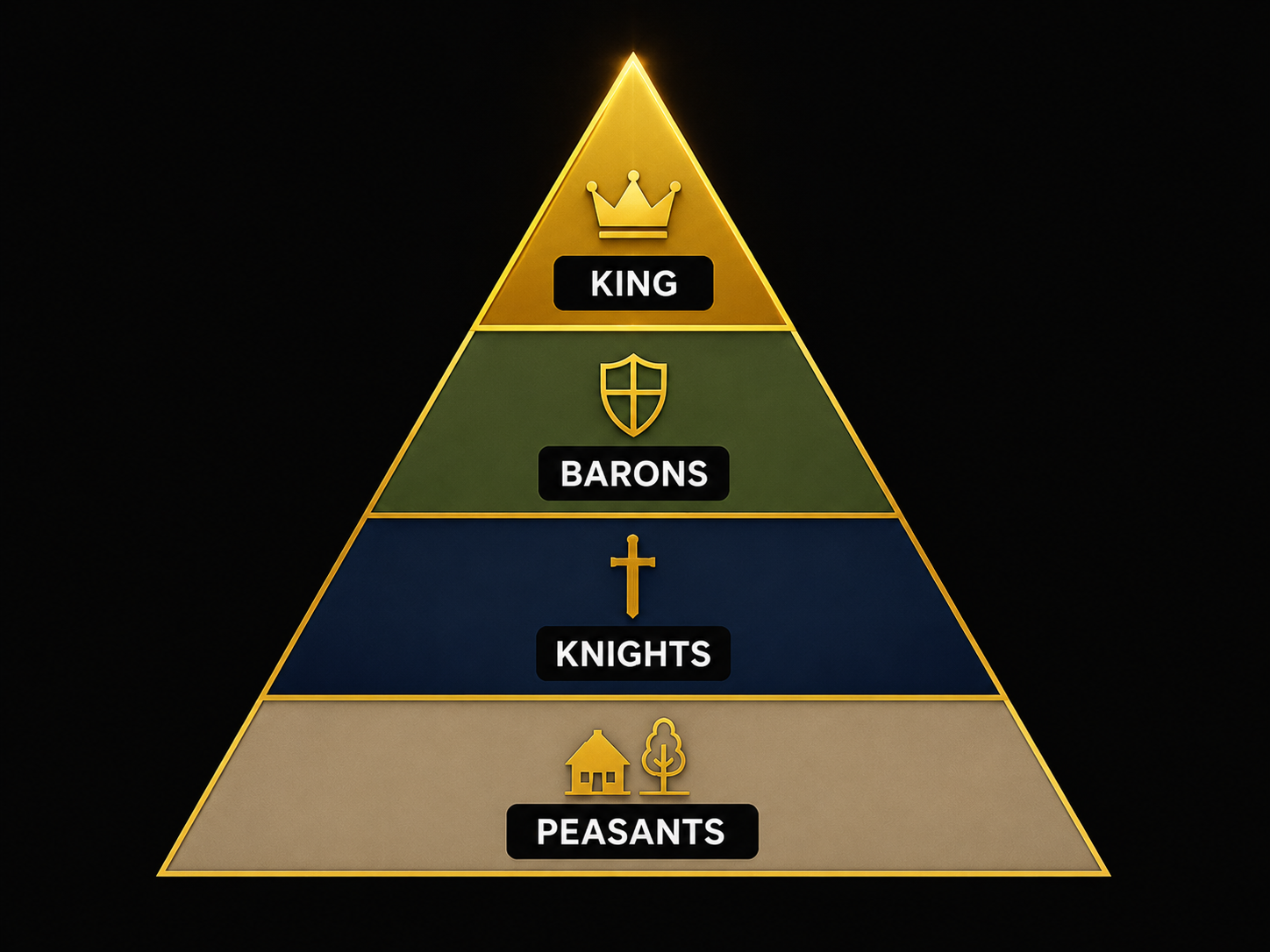
The king made laws and owned the most land.
Nobles held land, supported the king, and supplied soldiers.
The Church influenced daily behaviour because people believed in Heaven, Hell, sin, and judgement.
Crime and justice
Most crimes were petty, such as theft, drunkenness, and insulting a neighbour.
Major crimes included murder, treason, and killing a lord.
Suspects were caught, tried, and punished mainly by local people rather than a professional state force.
Big GCSE judgement
Anglo-Saxon justice was local and practical because communities knew the people involved.
It was also unequal and religious because status affected fines and ordeals relied on God to reveal guilt.
Revision Prompt
Why was Anglo-Saxon crime and punishment mostly controlled by local communities?